
Fixture Repair and Installation
Faucets, toilets, sinks, disposals and showers, and the supply lines and shutoff valves behind them.
Clogged toilets and fixing or replacing faucets, garbage disposals and shutoff valves make up a large share of our calls. Some are a part, like a flapper, a cartridge or a seal; others are a new fixture, either one you have picked out or one we source. Either way, we check the supply lines and the shutoff valves behind the fixture, because a valve that will not close is the first thing that matters when something leaks.
When the job is done, we run the water at every fixture we worked on and check each connection for slow seepage before we pack up.
Fixtures: When to Repair, When to Replace
| Fixture | Repair or replace signs | Things to decide before installing |
|---|---|---|
| Kitchen faucet | Drips from the spout, leaks at the base, low flow, a sprayer that sticks | Hole count in the sink or counter, single or two handle, pull-down sprayer |
| Bathroom faucet | Drip that returns after new washers, a stuck drain stopper, corroded body | Center spacing (4 or 8 inch, or single hole) and the drain assembly |
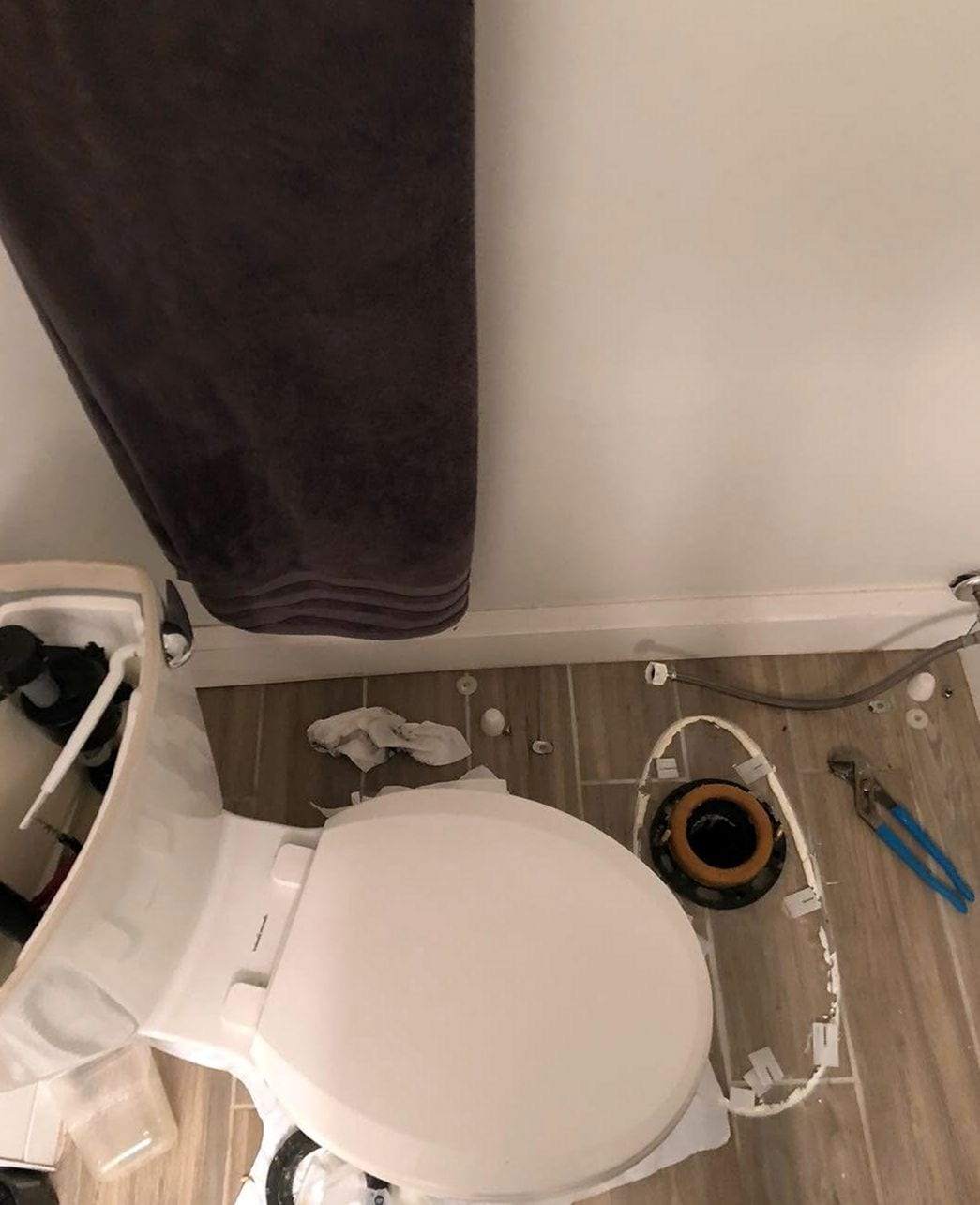
| Toilet | Runs or refills on its own, rocks on the floor, cracked tank or bowl, weak flush | Rough-in distance from the wall, bowl height and shape, flush rating |
| Sink | Chipped or crazed finish, rusted drain, leaking rim seal | Undermount, drop-in or vessel; the faucet and drain that fit it |
| Garbage disposal | Hums but will not turn, leaks from the bottom, trips its reset often | Motor size, a dishwasher hookup, an outlet or a hardwired switch |
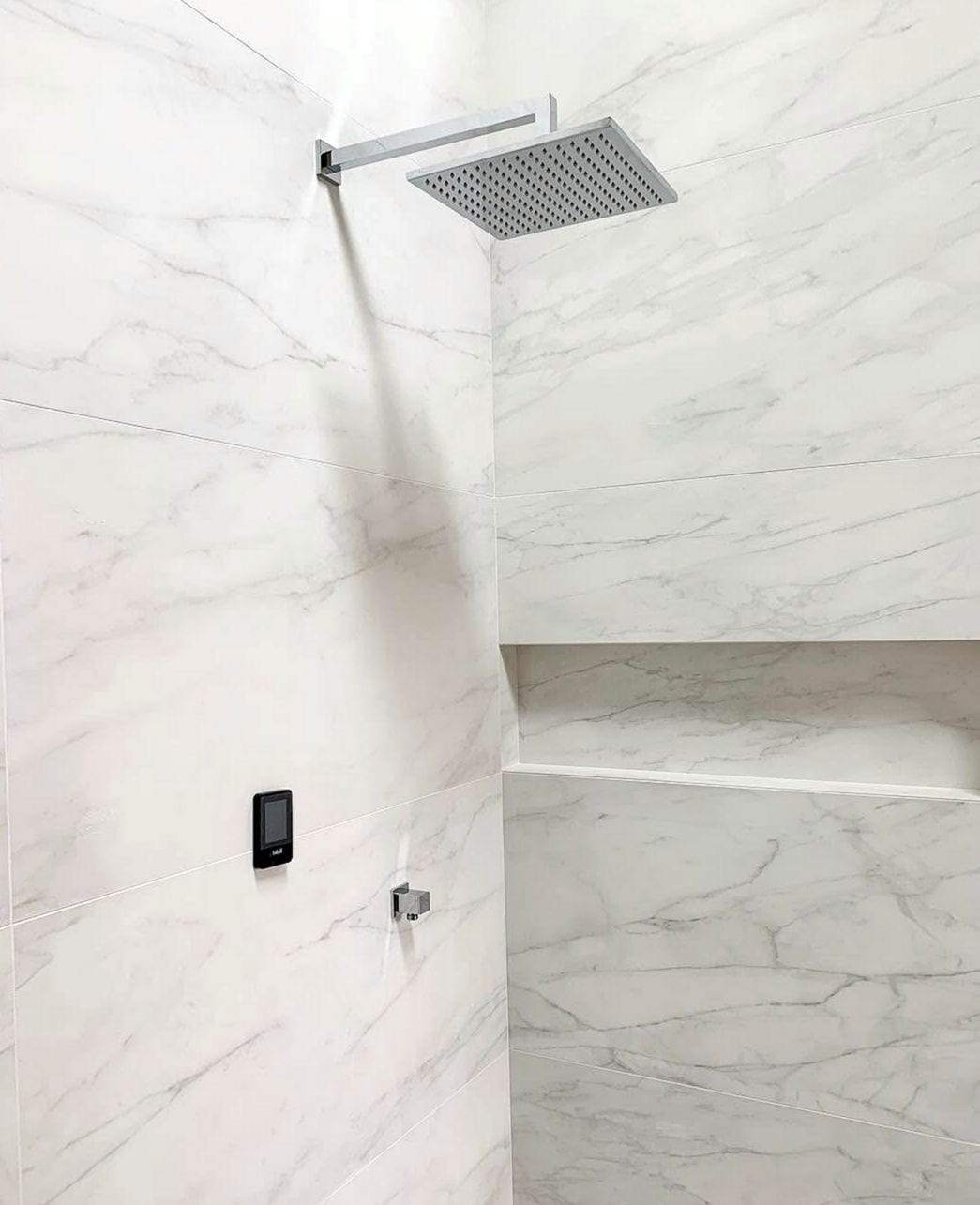
| Shower or tub valve | Temperature swings, a drip from the head, a stiff or loose handle | Pressure-balance or thermostatic; a trim that fits the valve in the wall |
| Shutoff valves and supply lines | Valves that will not turn or weep when moved; old braided or plastic lines | Quarter-turn valves and new braided lines whenever a fixture is replaced |
Before the Plumber Arrives
A few minutes of preparation lets the work start as soon as we walk in:
- Clear the cabinet under the sink, or the area around the toilet or tub.
- Find the shutoff valves for the fixture and the main shutoff for the house.
- If you bought the fixture, have the box on site and the model number ready.
- Check that the box holds every part listed, before the old fixture comes out.
- Move rugs, towels and anything stored nearby that should not get wet.
- Keep pets in another room while the water is off and the doors are open.
Customer-Supplied vs Plumber-Sourced Fixtures
You buy the fixture
- Any style from any store or website.
- Check the fit first: toilet rough-in, faucet hole count, valve type.
- A missing or broken part can stop the job until it is replaced.
- Questions about defects go to the store or the maker.
We source the fixture
- Matched to the rough-in, the valve body and the space you have.
- Parts checked before the old fixture comes out.
- Trade-grade models with replacement parts that stay available.
- Supply-house models often use heavier valves and cartridges.
Showers, Tubs and Rough-Ins
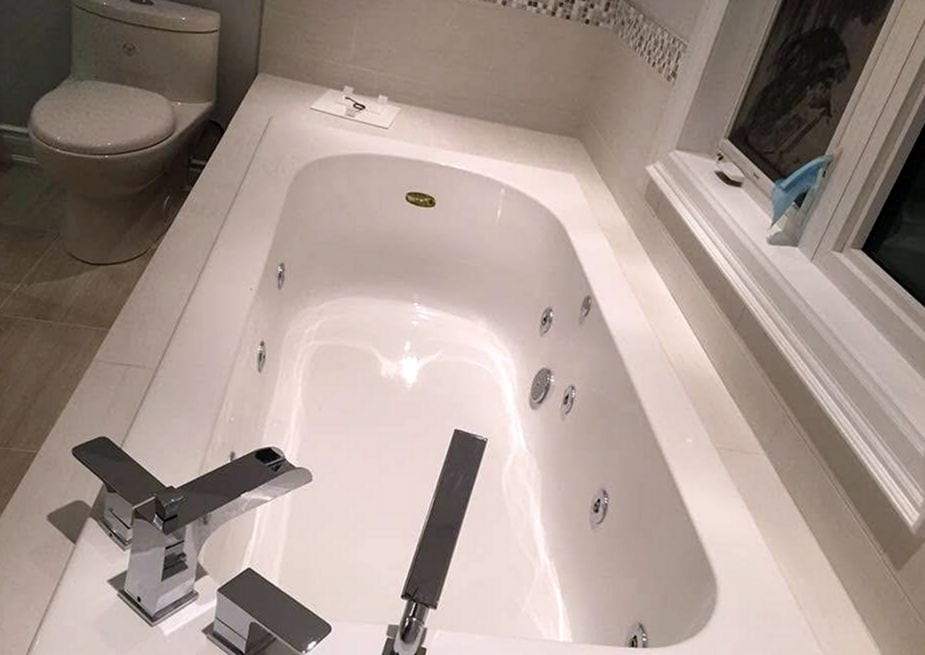
New bathroom and kitchen rough-ins are part of our work too: the drain, vent and supply piping set in place before walls and floors are finished, so the fixtures land where the plan puts them. A new shower valve is pressure-tested with the wall still open, and a shower pan is normally flood-tested before tile goes on.
Small Commercial Spaces
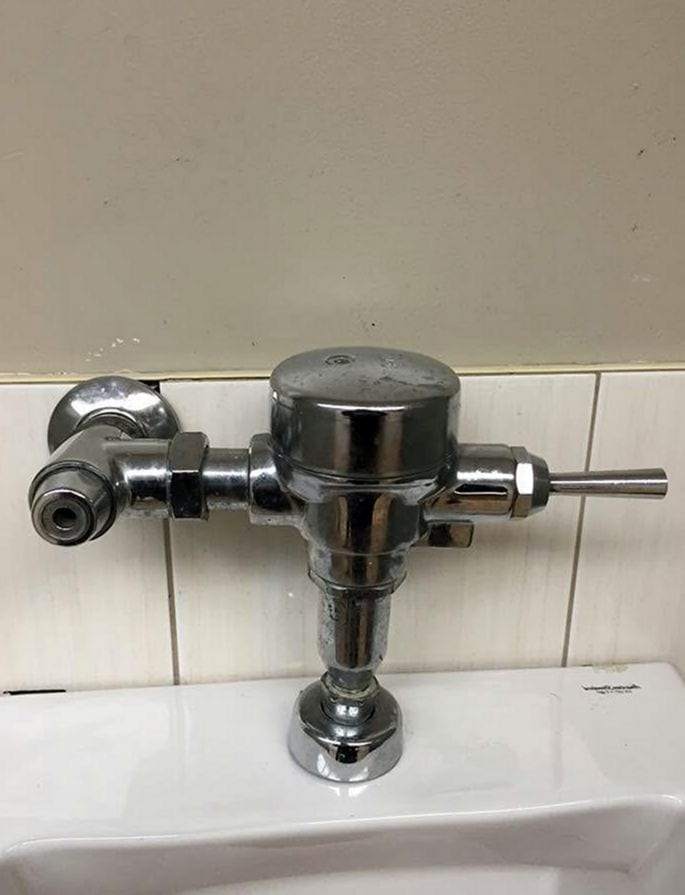
In small shops and offices the fixtures work harder: manual and sensor flush valves on toilets and urinals, mop sinks, and restroom faucets that run all day. Flush valves usually need a rebuild kit rather than a new valve, and the supply stops behind them need to close fully so the work can be done without shutting down the whole building.
Fixture Questions
Why does my toilet keep running?
Most running toilets have a flapper that no longer seals, a fill valve that does not shut off, or a chain that is too short or too long. Water trickling into the bowl or a tank that refills every so often on its own both waste far more water than they seem to. Replacing the flapper and fill valve fixes most of them.
Why is the water pressure low at one faucet?
When only one faucet is weak, look at that faucet: a clogged aerator, a cartridge partly blocked with sediment, or a supply valve under the sink that is not fully open. When pressure is low all over the house, the cause is usually in the pipes or at the pressure reducing valve by the main, which is a pipe repair call.
Is a leaking faucet worth repairing?
Often, yes: a cartridge or a set of seals brings a good faucet back. A faucet that is corroded inside, missing parts that are no longer made, or leaking from the body is usually better replaced, and that is a good time to replace the shutoff valves under it too.
What do I do when the disposal jams?
Turn it off at the switch first and never put a hand inside. Most disposals have a hex socket in the center underneath for an Allen wrench: work it back and forth to free the plates, then press the red reset button. If it hums but still will not turn, or it leaks from the bottom, it needs repair or replacement.
A running toilet, a dripping faucet or a disposal that hums? Call us to set up a visit.